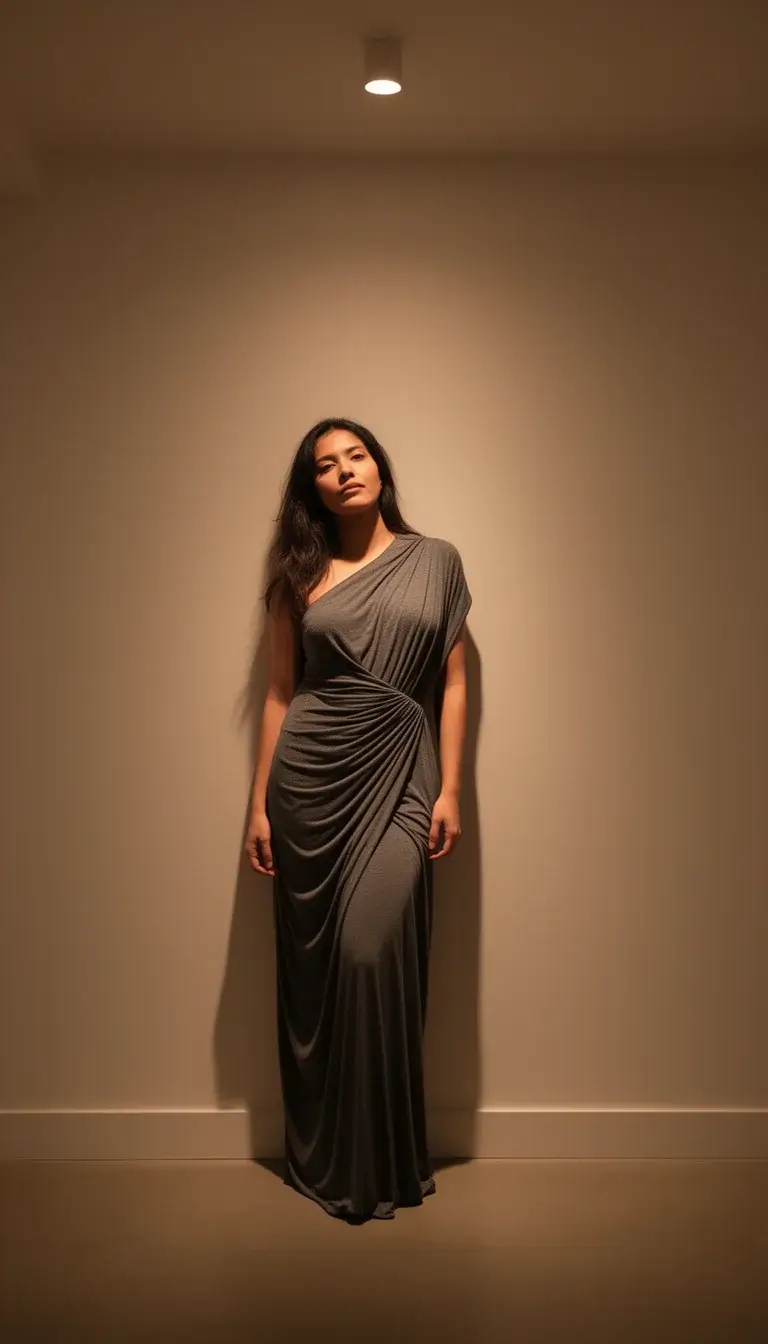
Winter lighting changes everything. Colors deepen, textures sharpen, and silhouettes read differently once the sun drops early and rooms glow instead of shine.
The right dress does more than keep pace with the season. It absorbs the light, reflects intention, and quietly signals quality before anyone looks twice.
1. The deep velvet column dress
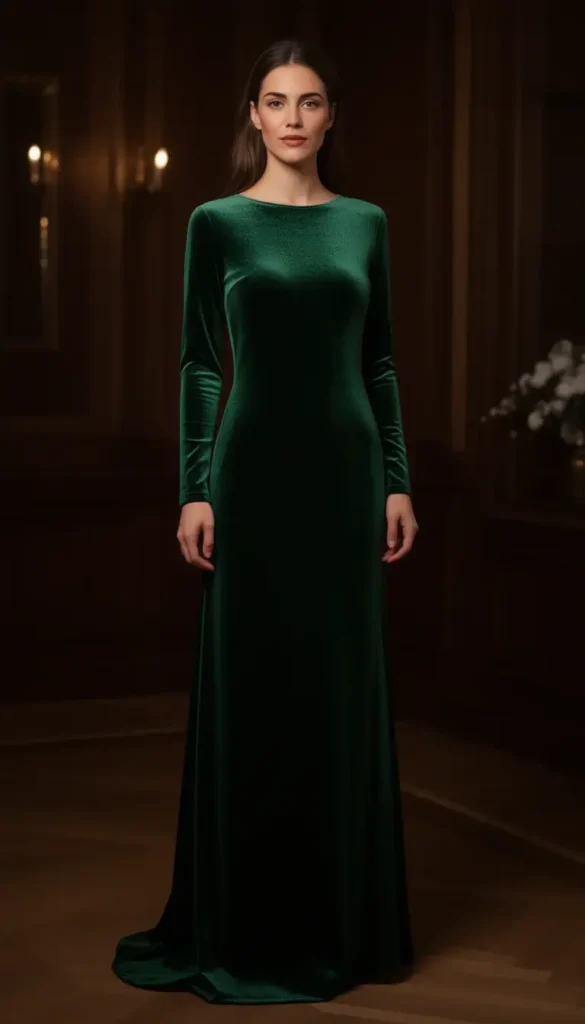
Velvet behaves differently in winter light. It absorbs brightness and gives it back slowly, which makes even simple cuts feel intentional and rich.
A column silhouette keeps the look clean while letting the fabric do the work. In candlelit rooms or softly lit halls, velvet reads as depth rather than shine.
This style works best when the color is saturated but not loud. Think forest green, espresso, midnight blue, or oxblood.
Long sleeves heighten the effect. They balance the visual weight and make the dress feel designed for the season rather than adapted to it.
Footwear should stay understated. Pointed boots or delicate heels keep attention on the vertical line of the dress.
2. The structured knit midi
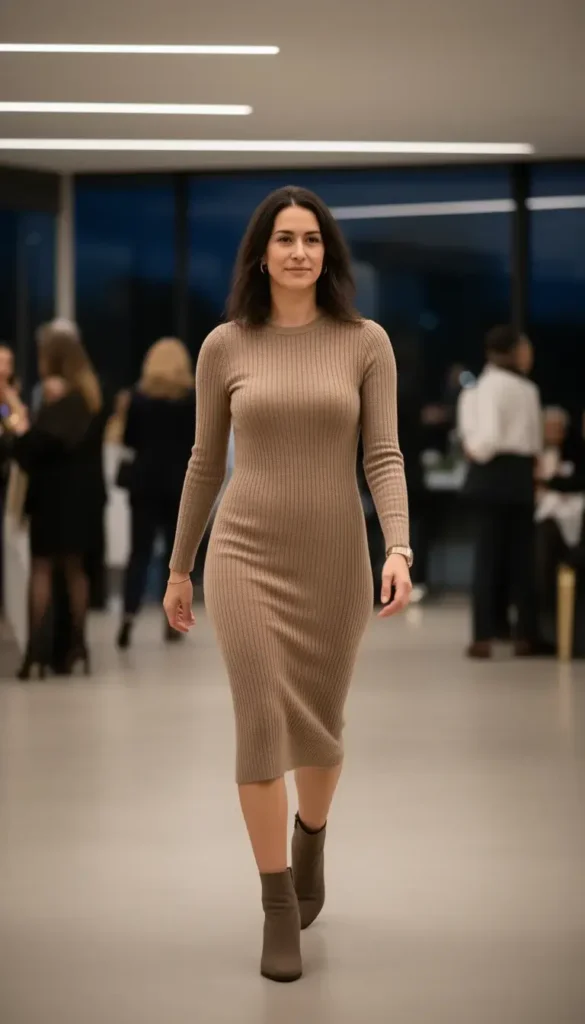
A well-made knit dress can look deceptively expensive. The key is structure rather than stretch.
Winter lighting favors pieces that hold their shape. A ribbed or compact knit midi creates clean lines that read sharp even in low light.
Neutrals work especially well here. Cream, stone, charcoal, and soft taupe photograph beautifully under warm bulbs.
Look for subtle tailoring at the waist or shoulders. These small details separate an elevated knit from something casual.
Pair it with sleek boots and a tailored coat. The overall impression feels polished without effort.
3. The satin bias-cut dress in winter tones
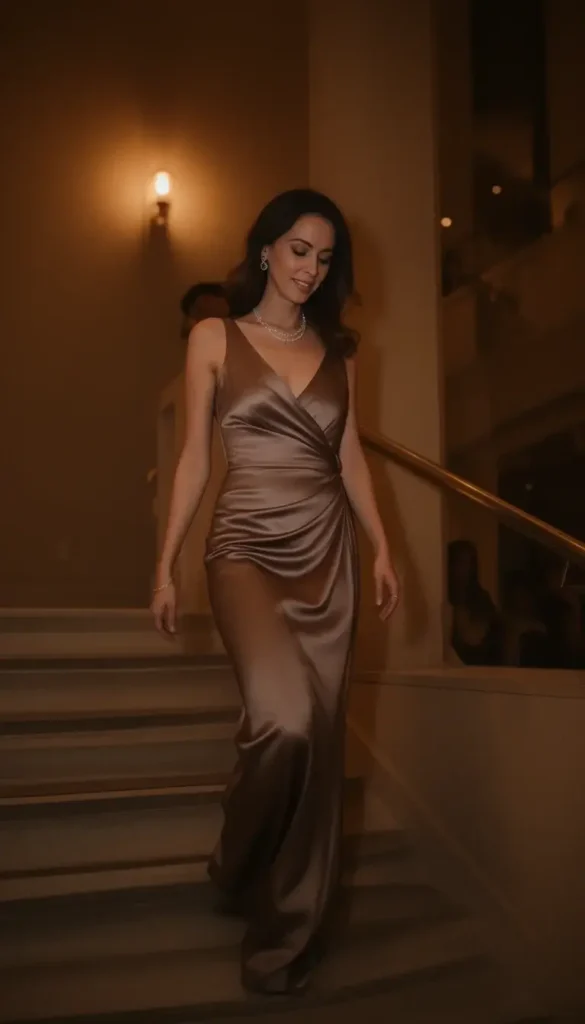
Satin can look risky in low light. When done right, it looks intentional and refined.
Bias-cut silhouettes move gently, catching light without flashing it back. In winter tones, satin reads smoother and calmer.
Deep neutrals work best. Champagne, pewter, ink, and muted bronze feel grown and elegant.
Keep the cut simple. Thin straps or soft draping let the fabric carry the visual weight.
This style excels at evening receptions and formal dinners. It photographs beautifully in motion.
4. The long-sleeved black midi with texture
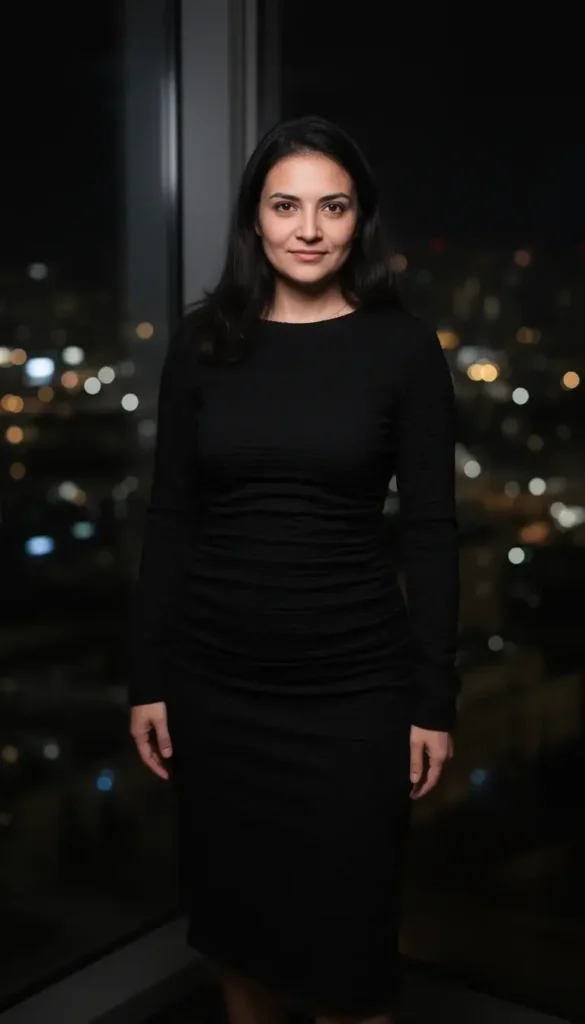
Black becomes more complex in winter lighting. Texture prevents it from falling flat.
A midi dress with subtle ruching, lace, or matte shimmer feels intentional after dark. The light catches variation rather than gloss.
Long sleeves ground the look. They add weight and elegance without needing embellishment.
This is the kind of dress that works everywhere. Weddings, concerts, and winter parties all suit it.
Let accessories stay restrained. Gold or silver accents are enough.
5. The wool-blend wrap dress
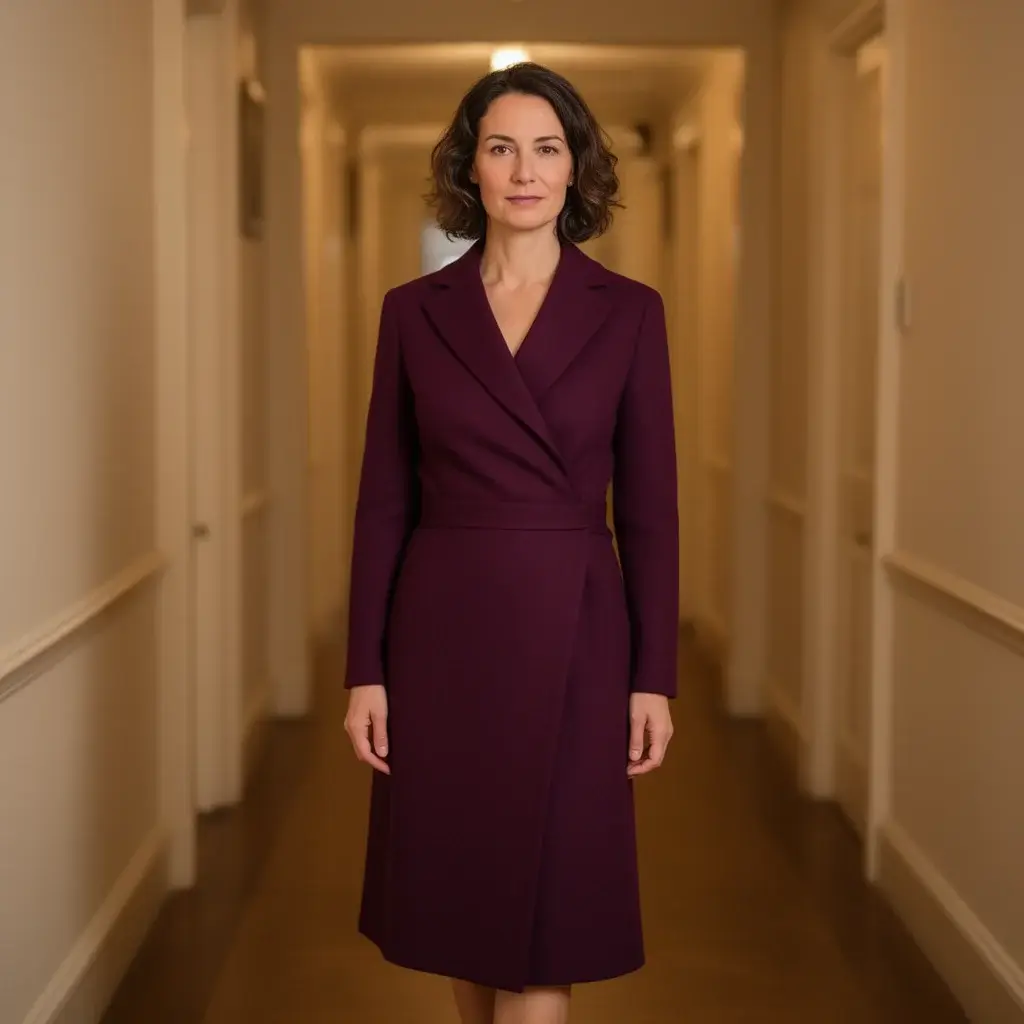
Wrap dresses gain authority in winter. The fabric choice changes everything.
A wool-blend version holds its shape and photographs cleanly. It looks composed rather than relaxed.
Muted colors work best here. Plum, slate, camel, and deep navy feel grounded and refined.
The wrap detail creates dimension under soft lighting. It defines the waist without a sharp contrast.
This style pairs easily with boots and coats. It feels finished before accessories enter the picture.
6. The high-neck midi in jewel tones
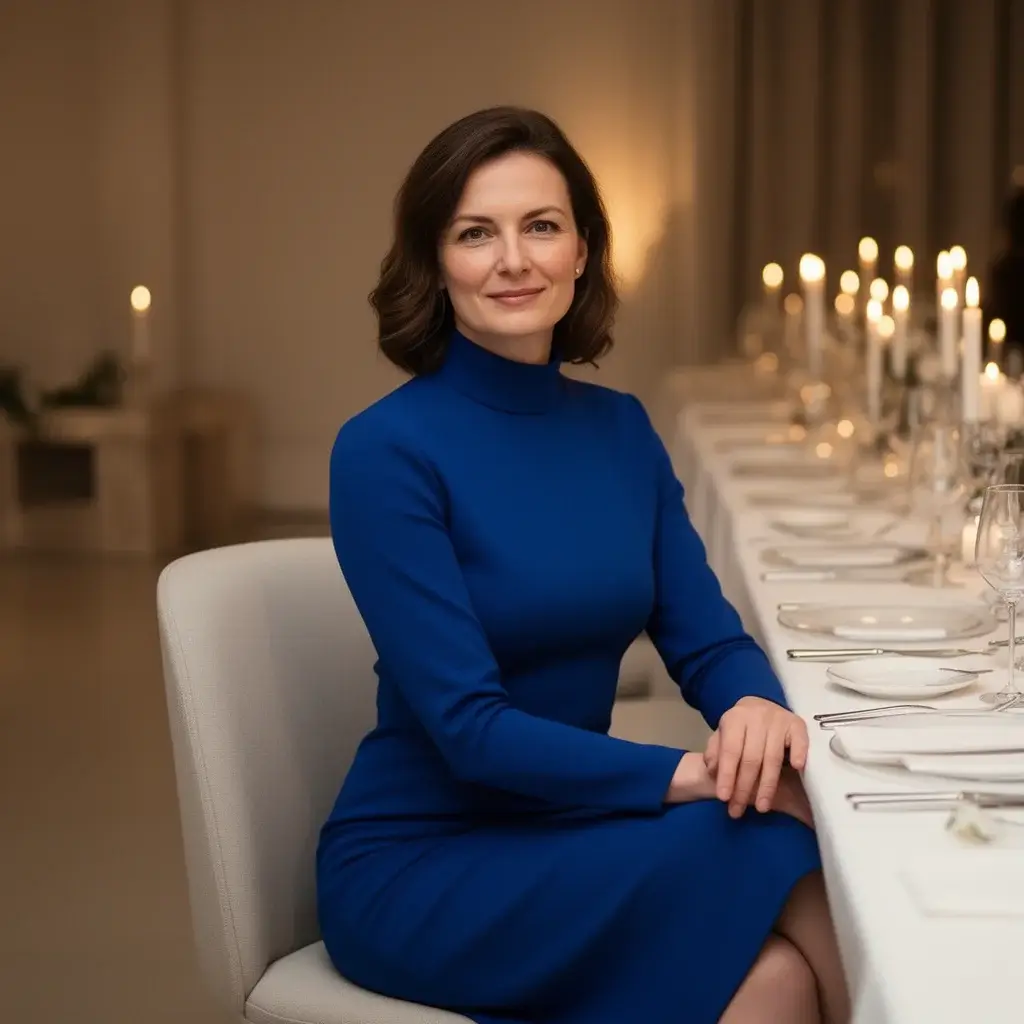
High necklines feel purposeful in winter. They frame the face and catch light softly.
Jewel tones amplify the effect. Emerald, sapphire, and garnet glow without brightness.
A midi length keeps the look balanced. It avoids drama while still reading formal.
This style works especially well indoors. Restaurants, galleries, and evening receptions suit it perfectly.
Minimal styling keeps it elevated. Let the color carry the impression.
7. The soft draped jersey dress
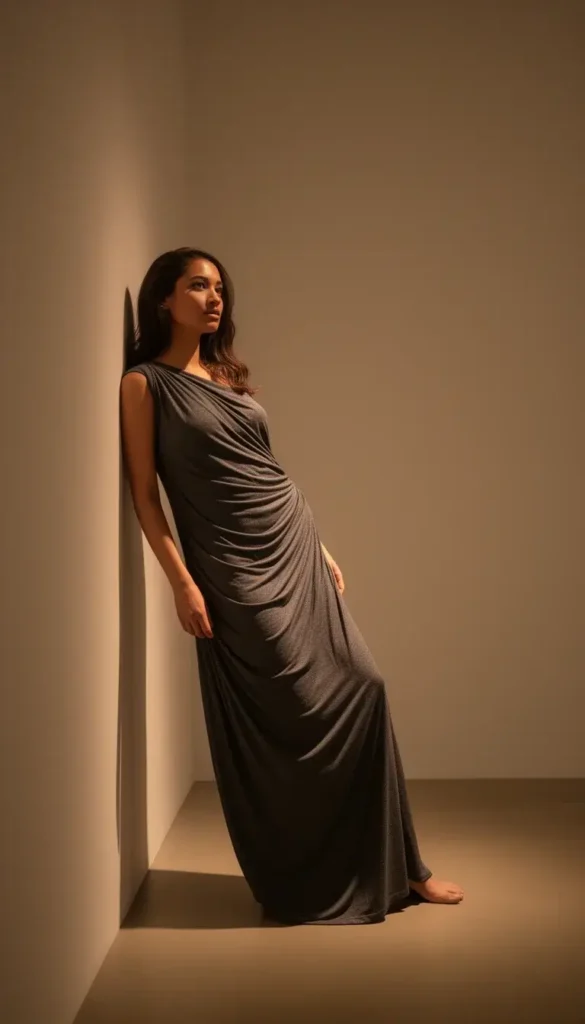
Jersey can feel understated. In winter lighting, it reads refined when draped correctly.
Look for intentional folds at the waist or shoulder. They create shadow and movement.
Dark neutrals work best. Charcoal, espresso, and ink feel elevated after dark.
This is an excellent option for long evenings. Comfort and polish coexist easily here.
Pair with sculptural earrings or boots. The dress remains the anchor.
8. The understated sequin midi
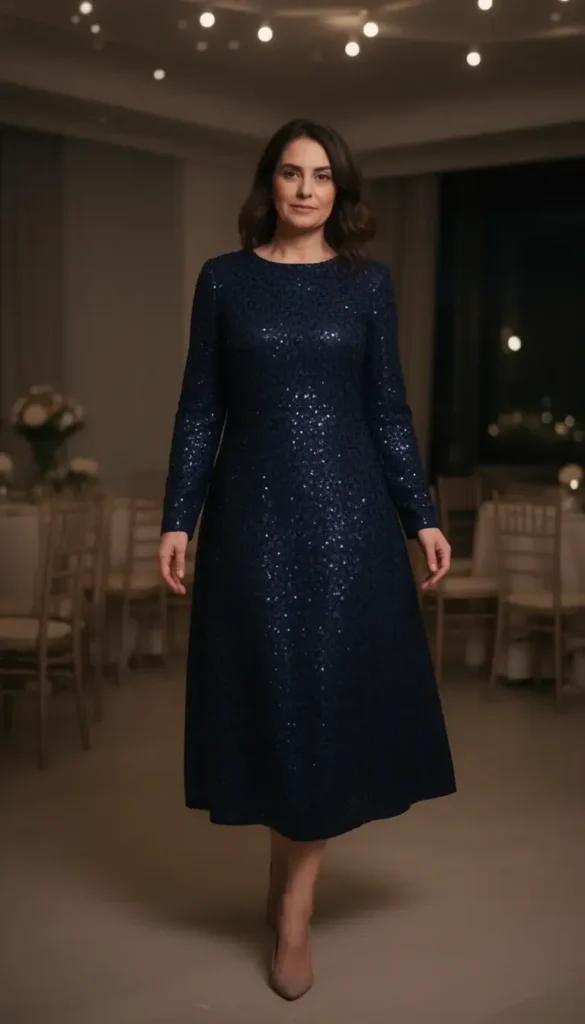
Sequins do not need excess. In winter lighting, restraint looks expensive.
Small, matte or low-shine sequins catch light gently. They glow rather than sparkle.
A midi length keeps it refined. Long sleeves or a higher neckline add balance.
This style suits evening weddings and formal parties. It feels celebratory without being loud.
Keep makeup soft and fabrics rich. Let the light do the rest.
9. The monochrome wool dress
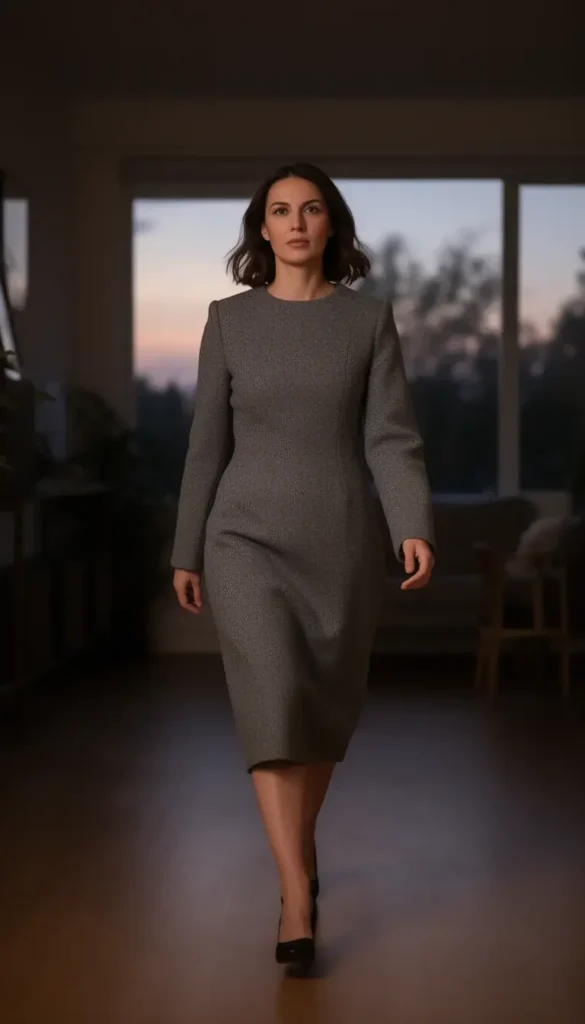
Monochrome looks stronger in winter. It simplifies the visual field.
A wool dress in one tone reads cohesive and considered. It absorbs light evenly.
Neutral shades excel here. Camel, grey, and soft ivory feel timeless.
The silhouette should stay clean. Let texture and tone create interest.
This is ideal for daytime winter events that run into the evening. The look transitions effortlessly.
10. The long-sleeved slip dress layered subtly
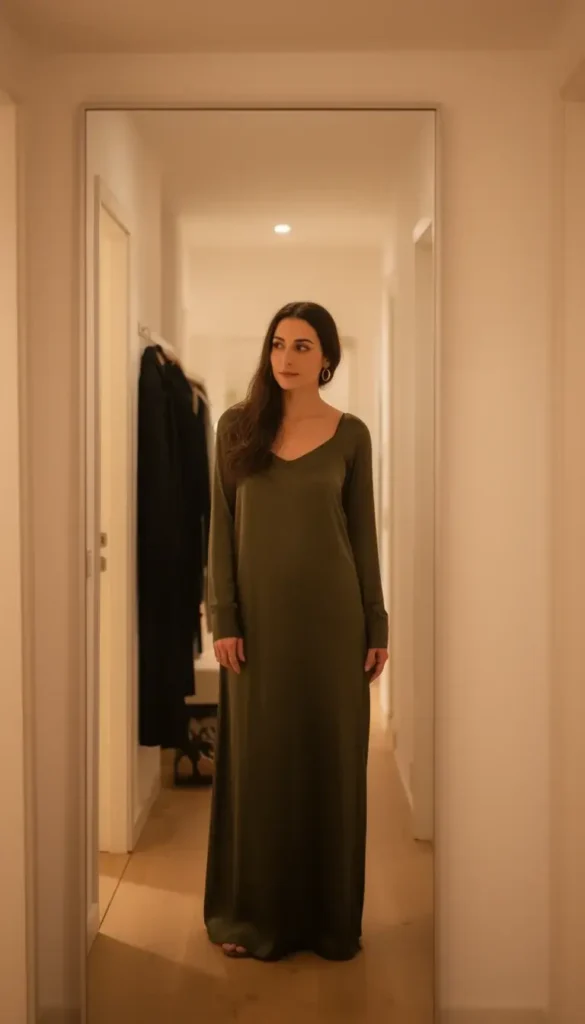
Slip dresses adapt well to winter. Layering gives them authority.
A long-sleeved slip in satin or silk feels intentional. It reads sleek under warm lighting.
Stick to darker shades. Chocolate, black, and deep olive feel grounded.
This style works well with boots or minimal heels. It looks finished without effort.
Layering remains subtle. Think clean lines and quiet confidence.
11. The tailored midi with subtle sheen
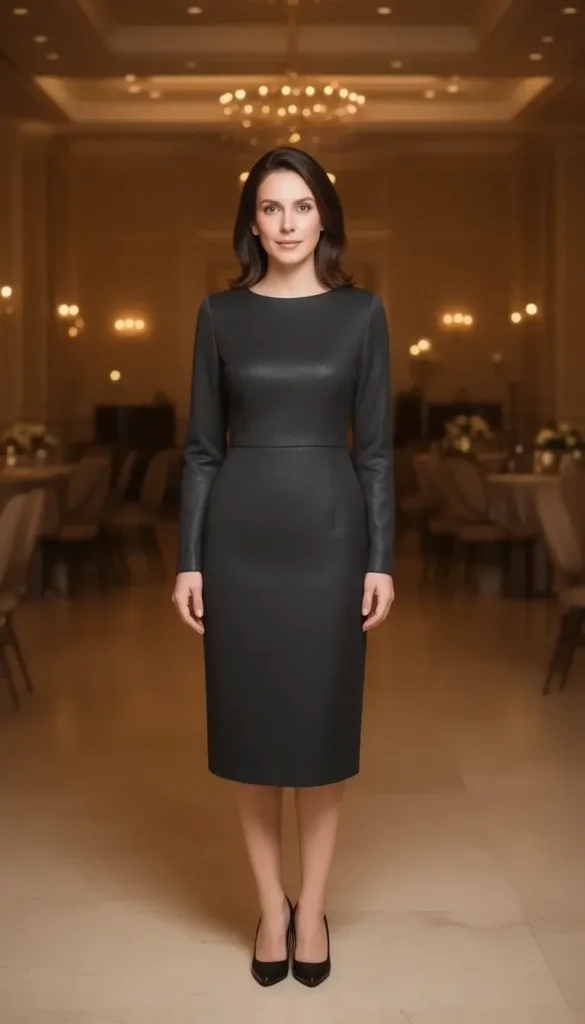
A tailored dress always reads expensive. In winter lighting, the subtle sheen elevates it further.
Look for fabrics with a faint glow. Nothing glossy or reflective.
The fit should feel deliberate. Clean shoulders and a defined waist matter.
This style works beautifully for formal events. It holds presence without needing decoration.
Finish with simple accessories. The dress does the talking.
Wrap-up
Winter lighting rewards intention. The dresses that look expensive are the ones designed to work with shadow, texture, and tone.
Choose pieces that absorb light rather than fight it. The result feels calm, elevated, and quietly unforgettable.