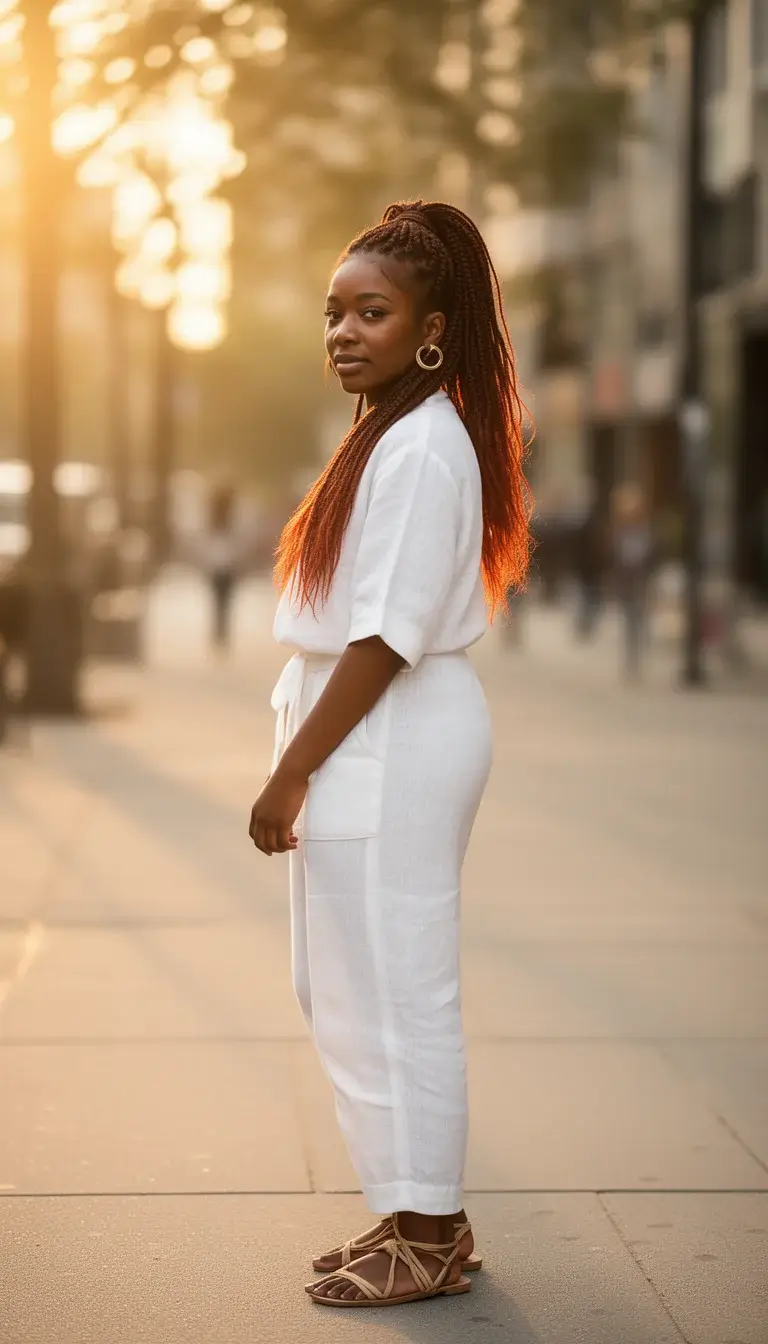
Summer heat has a way of making the decision for you. When the humidity climbs, and your schedule fills up, braids stop being a style choice and start being the obvious one.
Whether you’re heading to a rooftop wedding, a music festival, or three weeks of back-to-back plans, the right set of braids does the work while you live your life.
This year’s lineup is genuinely worth paying attention to. Knotless box braids have matured into something more refined.
Butterfly locs have moved from trend to staple. Fulani braids are showing up at weddings, not just brunches.
The full range is covered here, from micro braids thin as thread to jumbo styles that make a statement from across the room.
1. Knotless Box Braids
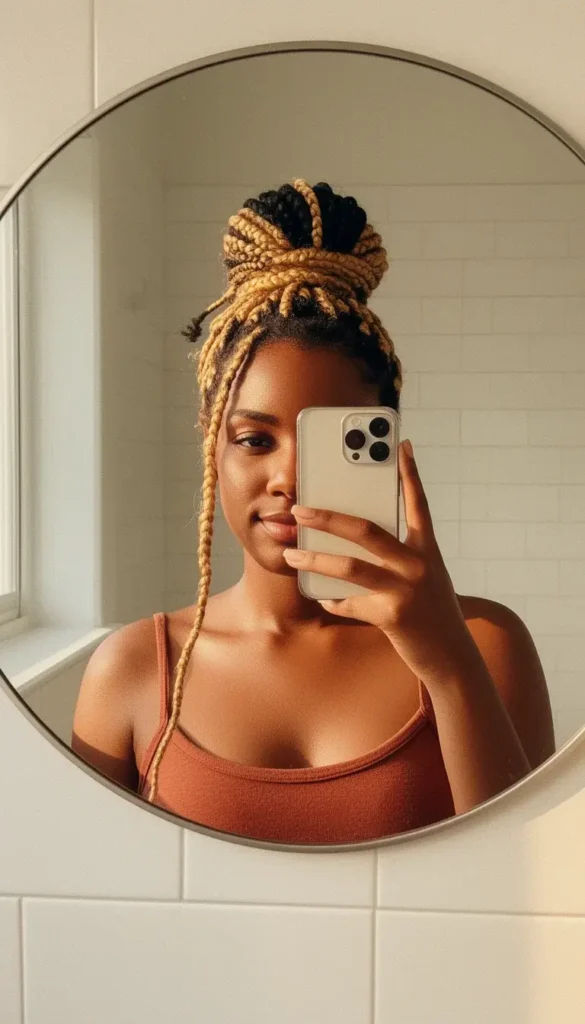
If there’s one style that defined the last two summers and shows no signs of stepping down, it’s knotless box braids.
The difference from traditional box braids is structural: the braid begins with your natural hair, and the extension is fed in gradually, which removes the tension at the root.
That means less scalp stress, a more natural swing when the braids move, and a flatter, neater part that photographs beautifully.
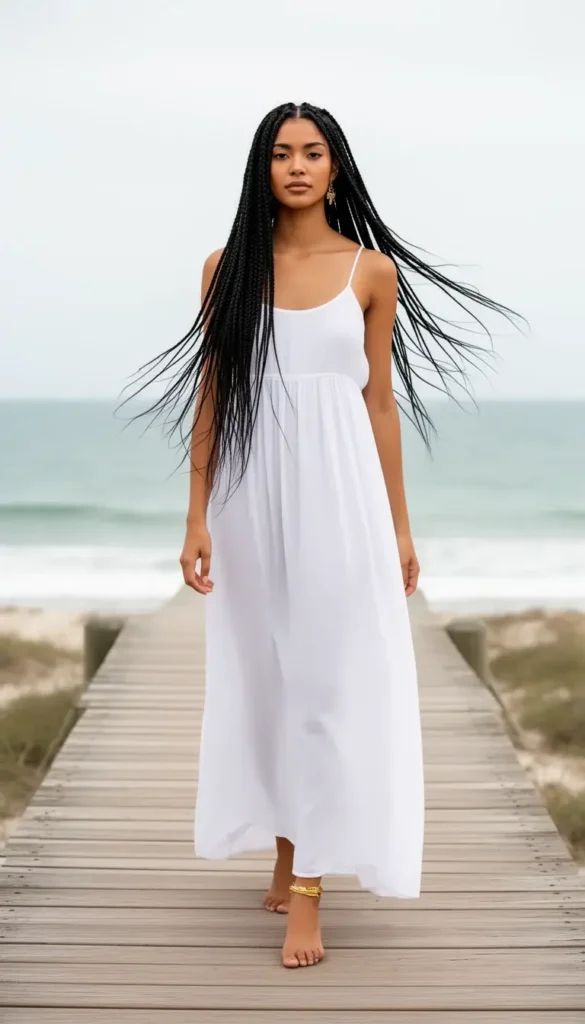
For summer 2026, the most-booked variations are in medium to shoulder-length sizes, often styled with a soft middle part or a low side part.
Color is a significant part of the conversation this year. Warm auburn, honey blonde, and copper tones worn as ombre or highlights are replacing the all-black sets that dominated earlier years.
If you want one style that works from the beach to a garden party without overthinking it, this is the one to book.
2. Butterfly Locs
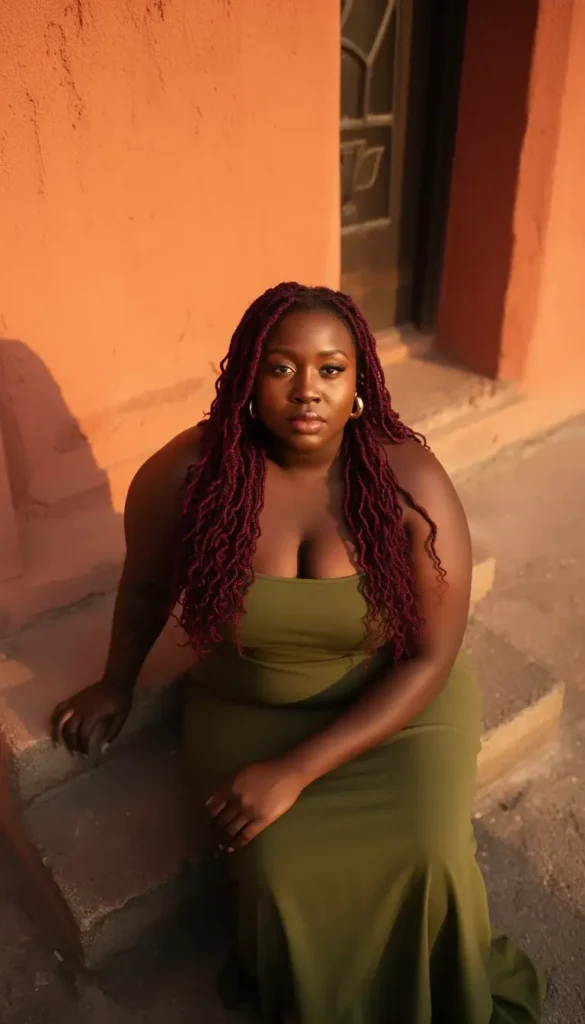
Butterfly locs arrived with a particular kind of energy, textured, soft, and a little undone in the best possible way.
The technique wraps distressed water wave hair around a crochet braid in a looping pattern that creates a wispy, feathered effect along the length of each loc.
The result looks effortless without actually being effortless, which is the whole point.
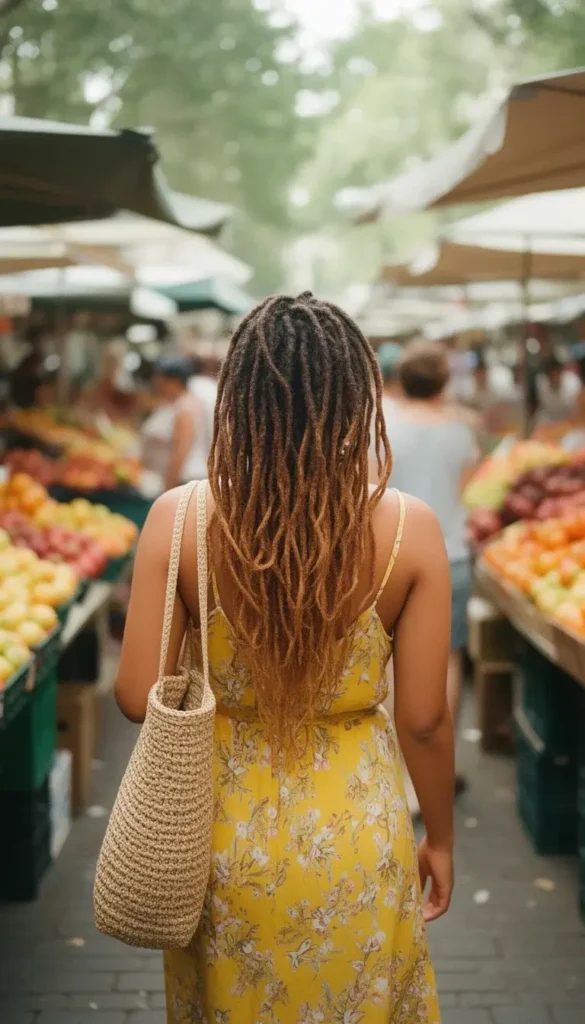
What makes butterfly locs so well-suited to summer is their weight and feel.
They’re lighter than traditional faux locs, and the soft texture means they move like natural hair rather than sitting stiff. They’re also remarkably forgiving in heat.
A set installed at medium length can take you from a casual afternoon at the pool to a rooftop event without needing much adjustment.
This year’s color play leans heavily into earth tones: burnt sienna, deep burgundy, and sun-faded brown are showing up everywhere. Protective and gorgeous in equal measure.
3. Fulani Braids
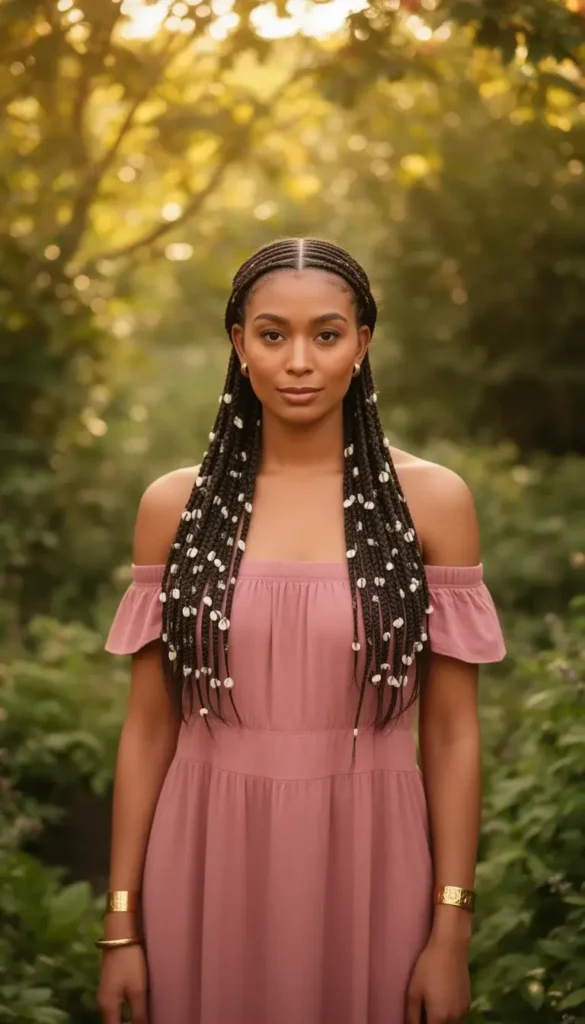
Fulani braids carry cultural weight that makes them worth wearing with intention.
Rooted in the Fulani people of West and Central Africa, this style is built around:
- A central cornrow running front to back
- Thinner braids braided back along the sides
- Signature accessories: thin gold cuffs, shells, or beads placed along the parts and the hanging braids.
That detail work is what elevates the style from interesting to unforgettable.
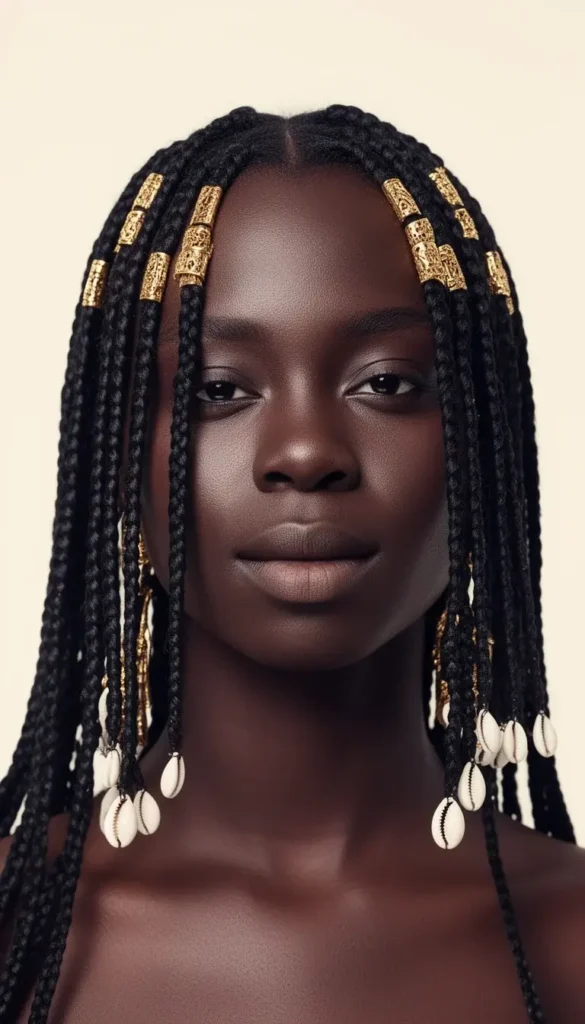
For 2026, Fulani braids are appearing in spaces they haven’t fully occupied before, outdoor weddings, evening events, and summer celebrations where the beaded detail catches the light and reads as intentional elegance.
The silhouette works especially well with off-shoulder and strapless necklines because the braids frame the face and collarbone without competing.
Whether you add a handful of gold cuffs or go heavy on shell detail, this is the style that photographs as well in candid shots as it does in posed portraits.
4. Halo Braids
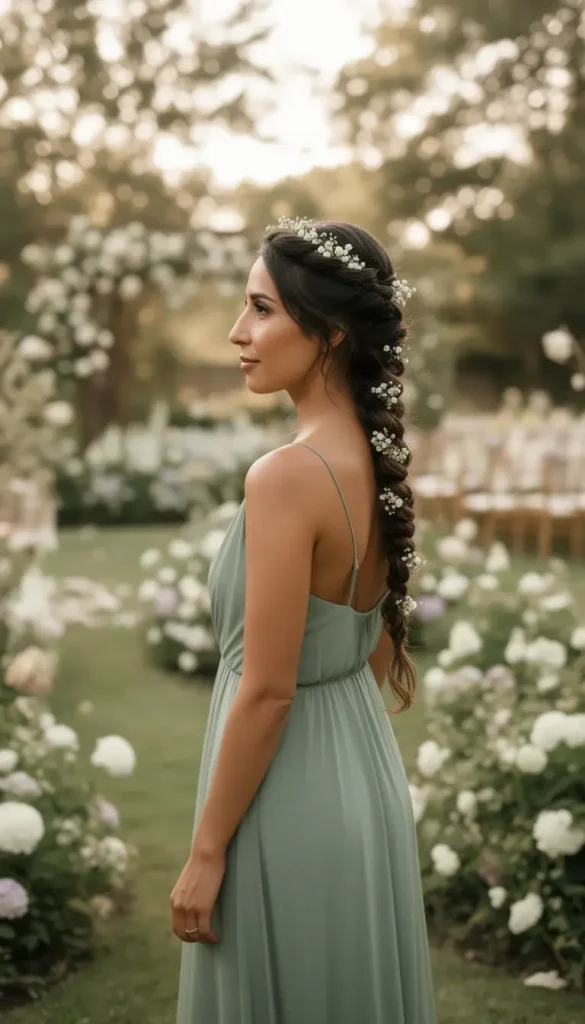
There is something quietly dramatic about a halo braid. The entire style rests on a single braided crown that wraps around the head, sitting close to the scalp and creating a shape that looks structured without feeling rigid.
It’s understated from a distance, but up close it reads as genuinely polished, especially at a wedding or a formal summer event.
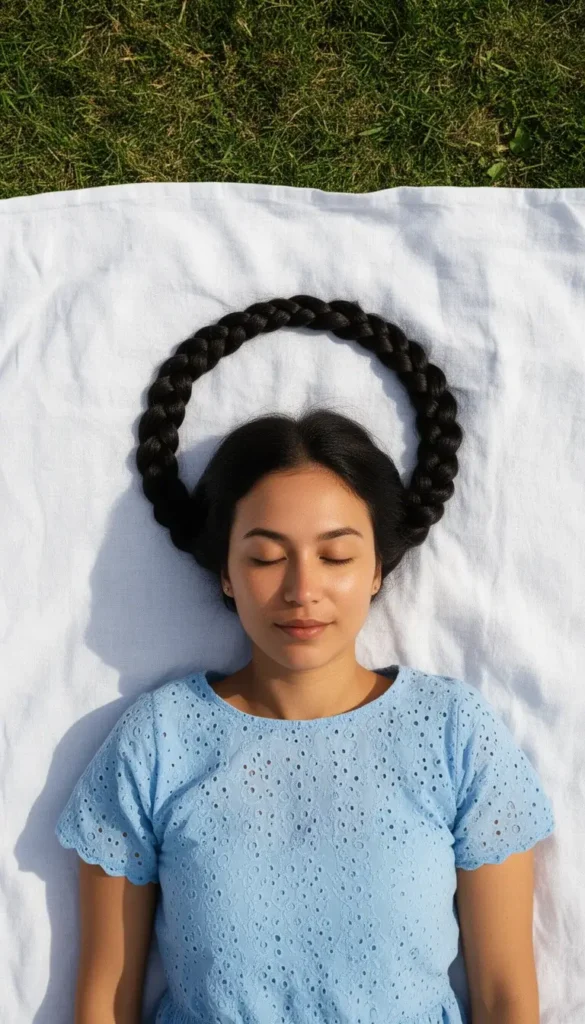
The halo braid’s strength is in how well it pairs with accessories. A thin gold headband placed over the braid, a delicate pearl clip tucked into the plait, or fresh flowers woven in along the crown can completely shift the register.
It works on natural hair and extensions alike, though adding length allows for a fuller, more voluminous circle.
For the woman who wants something elegant without the maintenance of a full set of braids, this is the ideal option.
It’s also one of the few styles that photographs just as beautifully from every angle, which matters more than people admit.
5. French Braids with Accessories
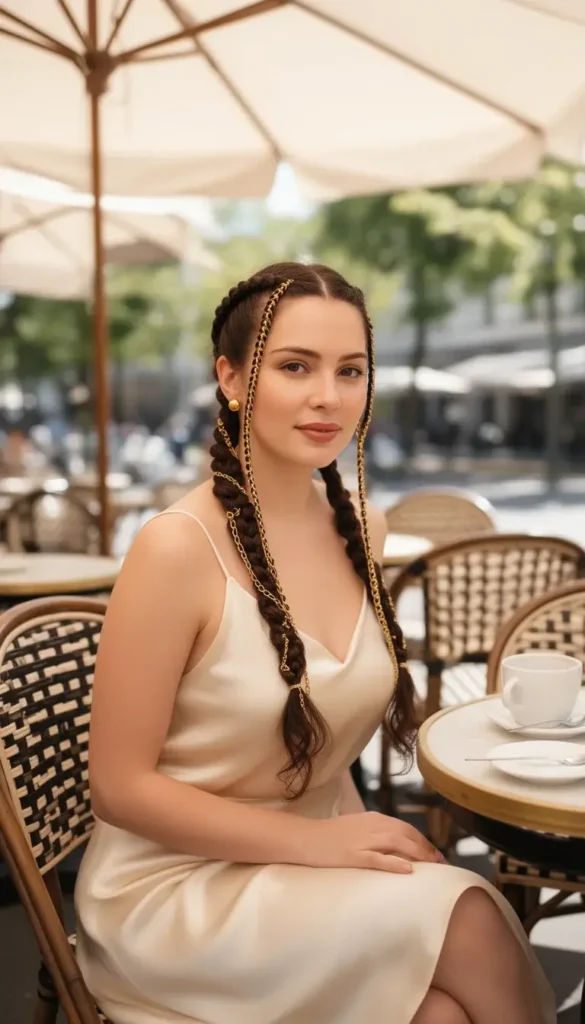
The French braid has existed long enough that it needed a reason to be interesting again, and accessories provided one.
What’s happening now is less about the braid structure itself and more about what’s layered into it: gold chain woven between the plaits, pearl pins placed at intervals, thin silk ribbon intertwined with the braid, or rhinestone clips added along the length.
These additions move the style out of gym bag territory and into something that belongs at a rooftop party.
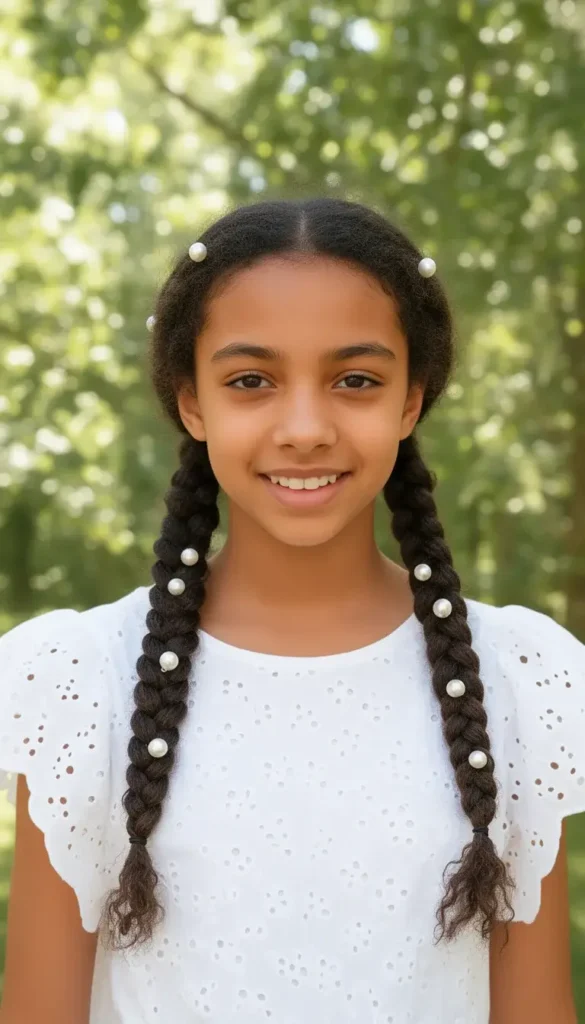
Doubled Dutch braids with beaded ends are showing up at festivals. Single French braids with a low chignon at the nape are appearing at weddings.
Even the simple two-braid look gets a complete update when the ends are finished with ornate gold cuffs instead of basic elastics.
The underlying technique might be familiar, but the execution in 2026 is genuinely stylish.
These braids also perform well under summer conditions because they stay cleaner longer and require almost no touch-ups through a long event.
6. Jumbo Braids
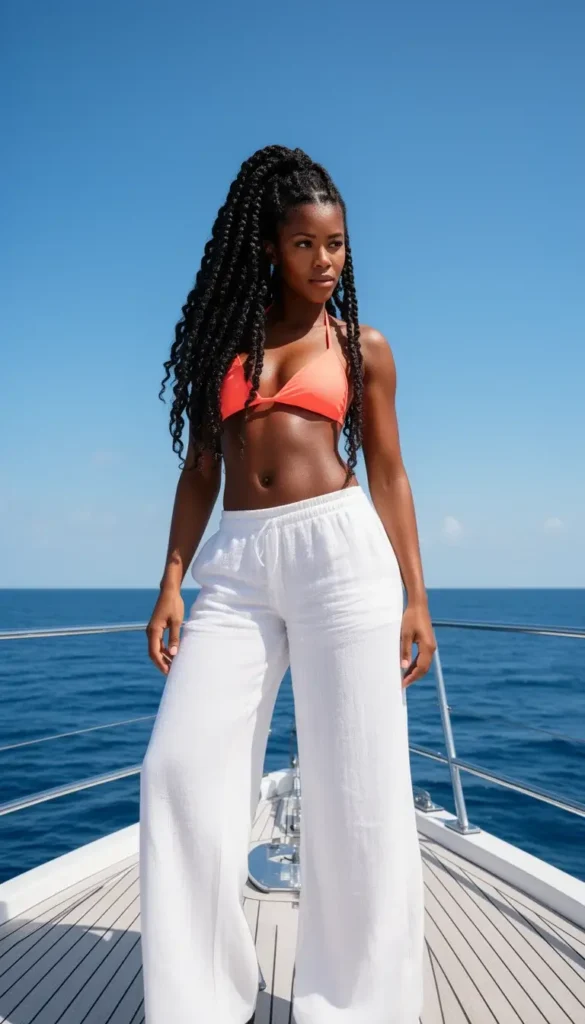
When you want a look that makes an impression the moment you walk in, jumbo braids are the version with the most immediate impact.
These are larger-diameter box braids or twists, typically installed in 30 to 50 braids rather than the 100-plus of finer styles, which dramatically reduces install time while giving the hair a bolder, more graphic silhouette.
The size means each braid catches the eye individually, so color choices and part patterns become part of the design.
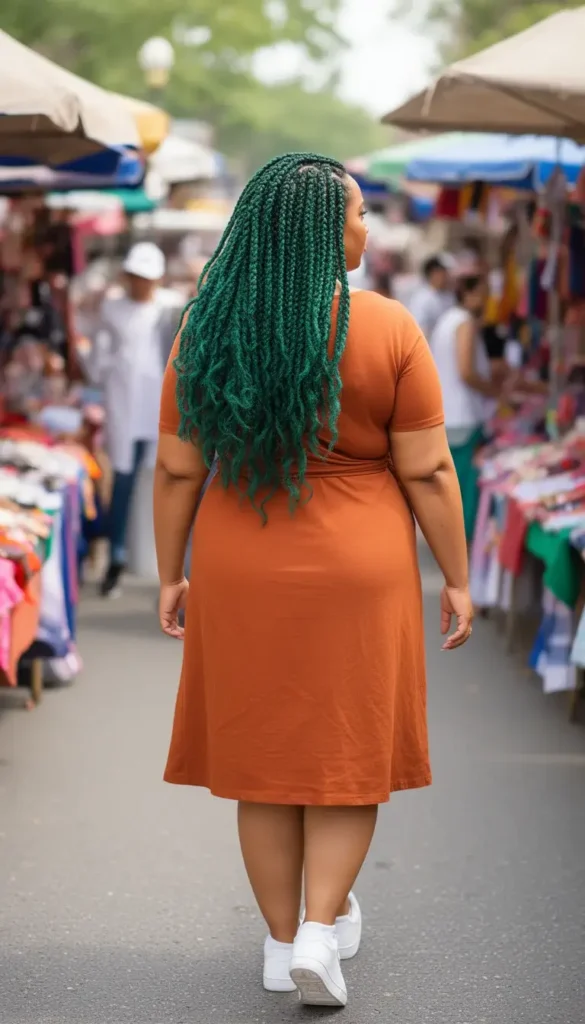
Jumbo braids photograph with a sculptural quality that smaller braids don’t quite achieve. A high ponytail in jumbo box braids looks architectural. Worn loose, the braids have a presence that fills the frame.
For summer, jumbo styles in black, chocolate brown, or bold colors like cobalt or forest green are becoming genuine fashion choices rather than just protective styling decisions.
They’re also one of the fastest styles to install, which matters if you’re working with a tight timeline before a trip or event.
7. Micro Braids
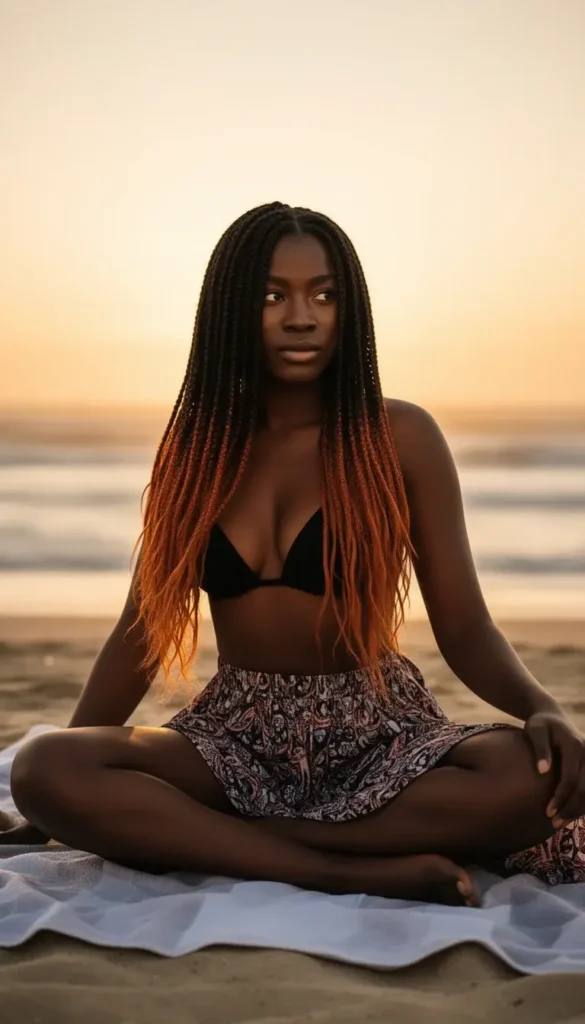
Micro braids ask more of the installation process but deliver something no other braid style quite replicates: complete versatility.
Because each individual braid is barely wider than a pencil, the overall effect mimics the movement and appearance of natural hair.
You can wear them loose, and they look like textured, flowing locks. Pull them into a ponytail, and the result is clean enough for a formal event.
Bun them up, and the tiny braids add a level of dimensional texture that’s genuinely interesting.
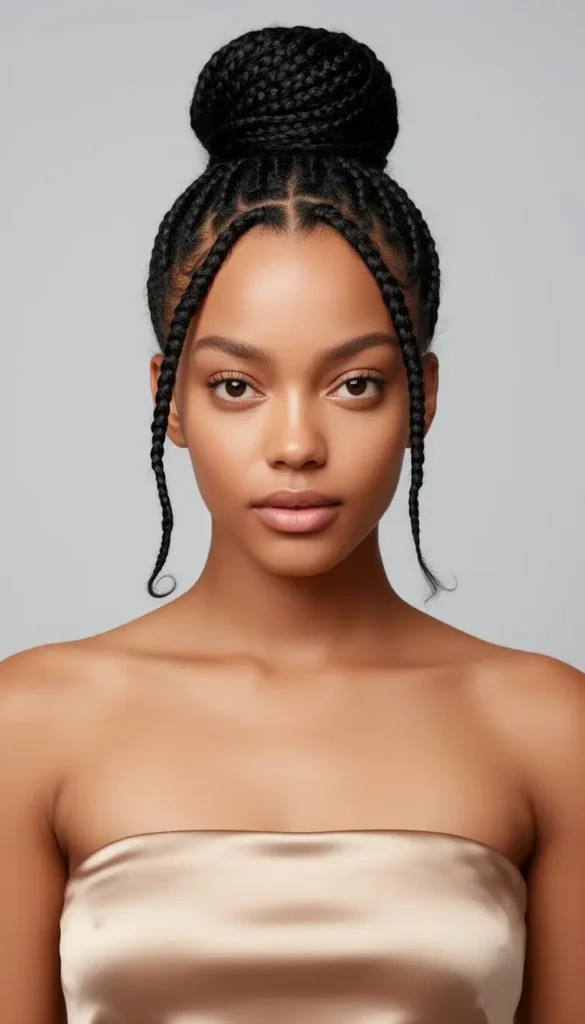
The tradeoff is install time, which can run anywhere from six to twelve hours for a full head. The payoff is longevity: a well-maintained micro braid set can last eight to twelve weeks with proper care.
For summer, that means one appointment covers a beach trip, three weddings, and a music festival without needing a refresh.
Color blending works exceptionally well with micro braids since the fineness of the plaits creates a seamless gradient rather than obvious blocks.
If you can commit to the chair time, this style returns the investment.
Short Braids vs Long Braids
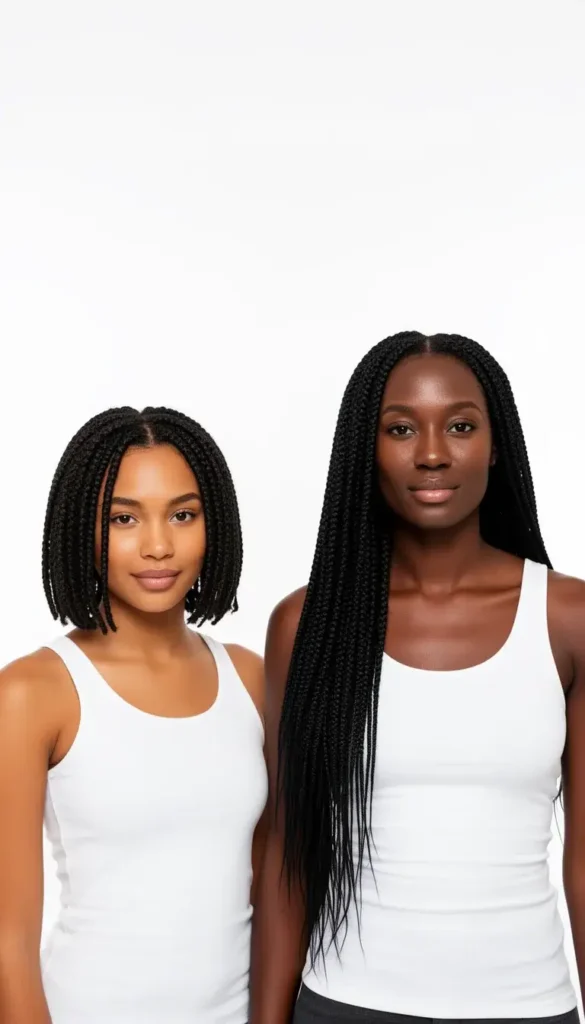
Length is one of the first decisions you’ll make with your stylist, and it shapes everything else about how the style behaves. Short braids, anything above the collarbone, offer a precision that longer styles can’t always match.
They’re neater at the edges, easier to maintain through swimming and sweating, and they sit well under hats and headwraps.
Bob-length knotless braids and short butterfly locs are two of the most-requested summer appointments precisely because they combine protective benefits with a look that feels deliberate and current.
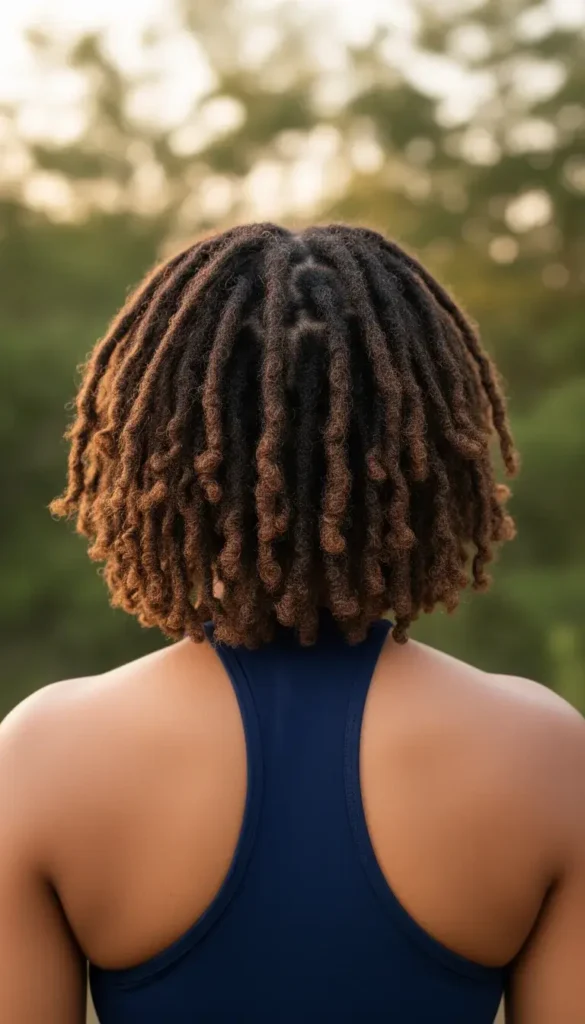
Long braids bring a different kind of drama. Past-the-shoulder lengths allow for more styling options, from updos to loose half-up arrangements to full ponytails, and the movement when braids are this long becomes part of the look.
They also tend to photograph with more presence. The practical consideration is weight: longer braids are heavier, and not everyone finds that comfortable over weeks of wear.
The honest answer is that neither length is universally better. It comes down to your face shape, the events you’re styling for, and how much you want to think about your hair between installation and takedown.
How to Make Your Braids Last Through Summer
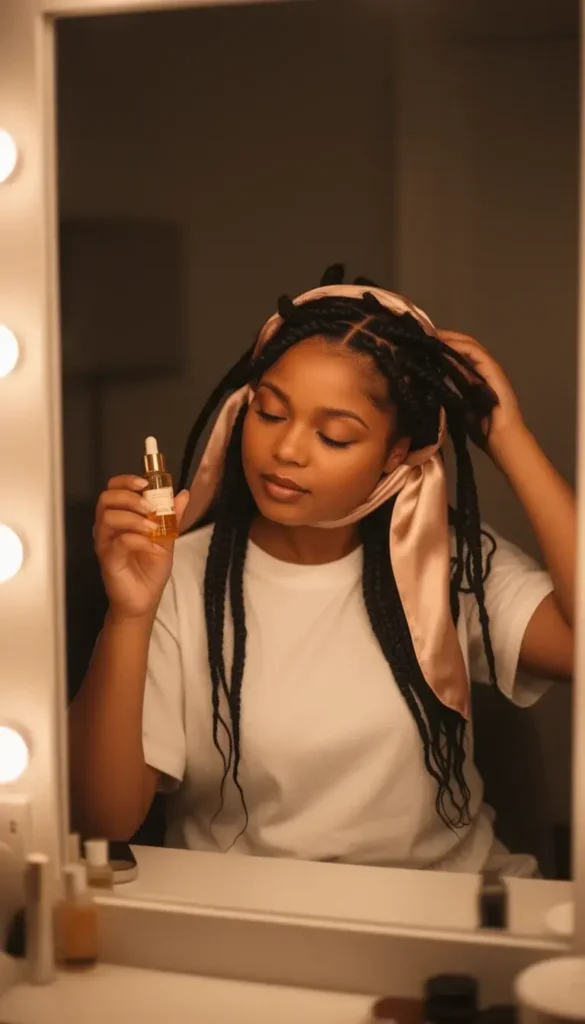
The install is only half of it. A braid set that looked crisp on day one can look tired by week three if the maintenance basics are skipped.
Scalp hydration is the most important variable: dry scalp leads to flaking and itching, which leads to over-touching the braids, which is what actually shortens the style’s life.
A lightweight oil applied directly to the parts every few days, rather than saturating the braids themselves, keeps things comfortable without buildup.
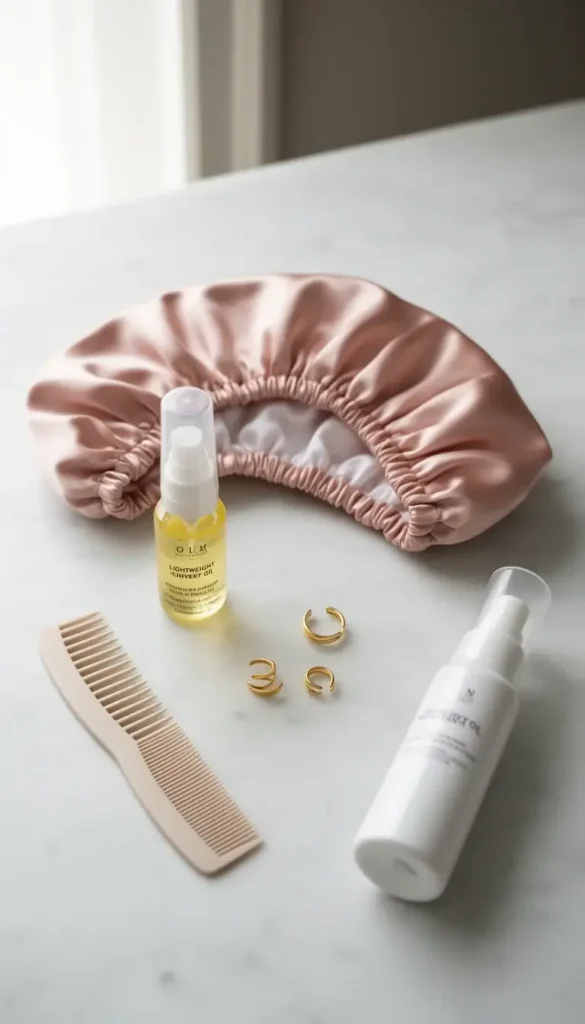
Sleeping on a satin pillowcase or tying down with a satin scarf is non-negotiable for longevity. Cotton pillow fabric creates friction that frays the braid edges over time, and once that texture starts, it moves quickly.
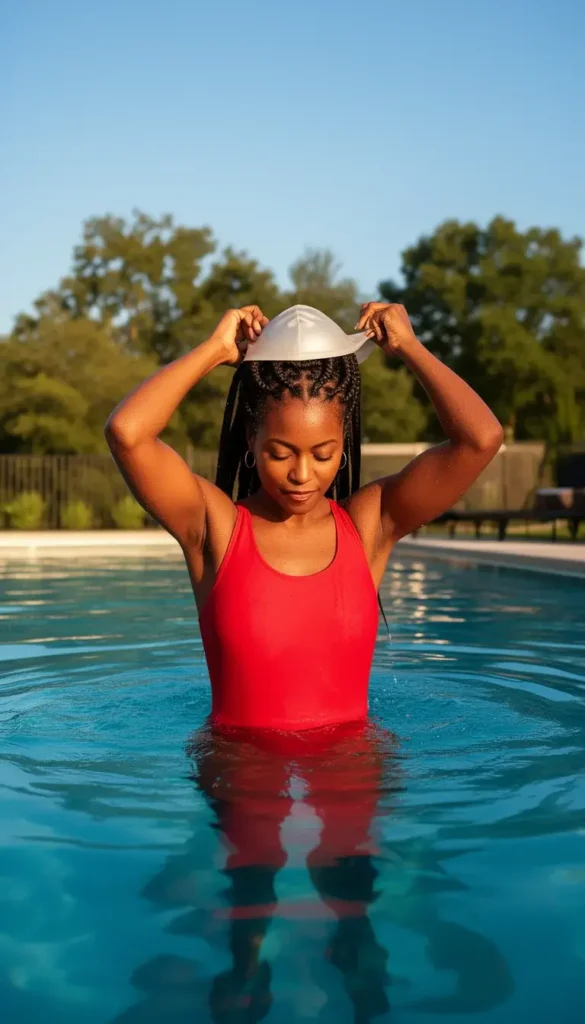
For swimmers, a swim cap over braids before entering chlorinated water significantly reduces drying and frizzing.
Edge care matters too: keeping the hairline moisturized and not pulling braids too tightly into ponytails or updos prevents the tension-related thinning that can creep in after a few weeks.
Most well-installed sets last six to ten weeks with this level of care. Some styles, particularly micro braids, can go longer.
Book Early, Especially for Summer
The demand window for summer braid appointments is narrow and predictable.
Most in-demand stylists are fully booked four to six weeks out from peak season, and complex styles like Fulani braids or full micro braid sets often require even more lead time.
If you have a specific event, a vacation, or a hard start date in mind, that date is the one to plan backward from.
Have your reference images ready before the consultation. Clear photos of the length, size, parting pattern, and any accessory details you want save time and reduce misunderstandings significantly.
Come prepared with the color you want, and if you’re open to suggestions, say that directly so your stylist can work with what they have and what suits your face shape.
The best summer braid sets happen when both sides of the chair come in prepared.